When expats think about living in Hong Kong, familiar districts dominate the conversation — Mid‑Levels, Discovery Bay, Sai Kung, Repulse Bay. Yet increasingly, families and professionals are turning their attention to Tai Po in the New Territories, a district that offers space, nature, affordability, and authentic local culture.
For AsiaXpat readers exploring alternatives to the traditional expat enclaves, Tai Po expat life represents a different kind of Hong Kong experience — one rooted in history, community, and balance.
Tai Po: From Historic Market Town to Modern Residential Hub

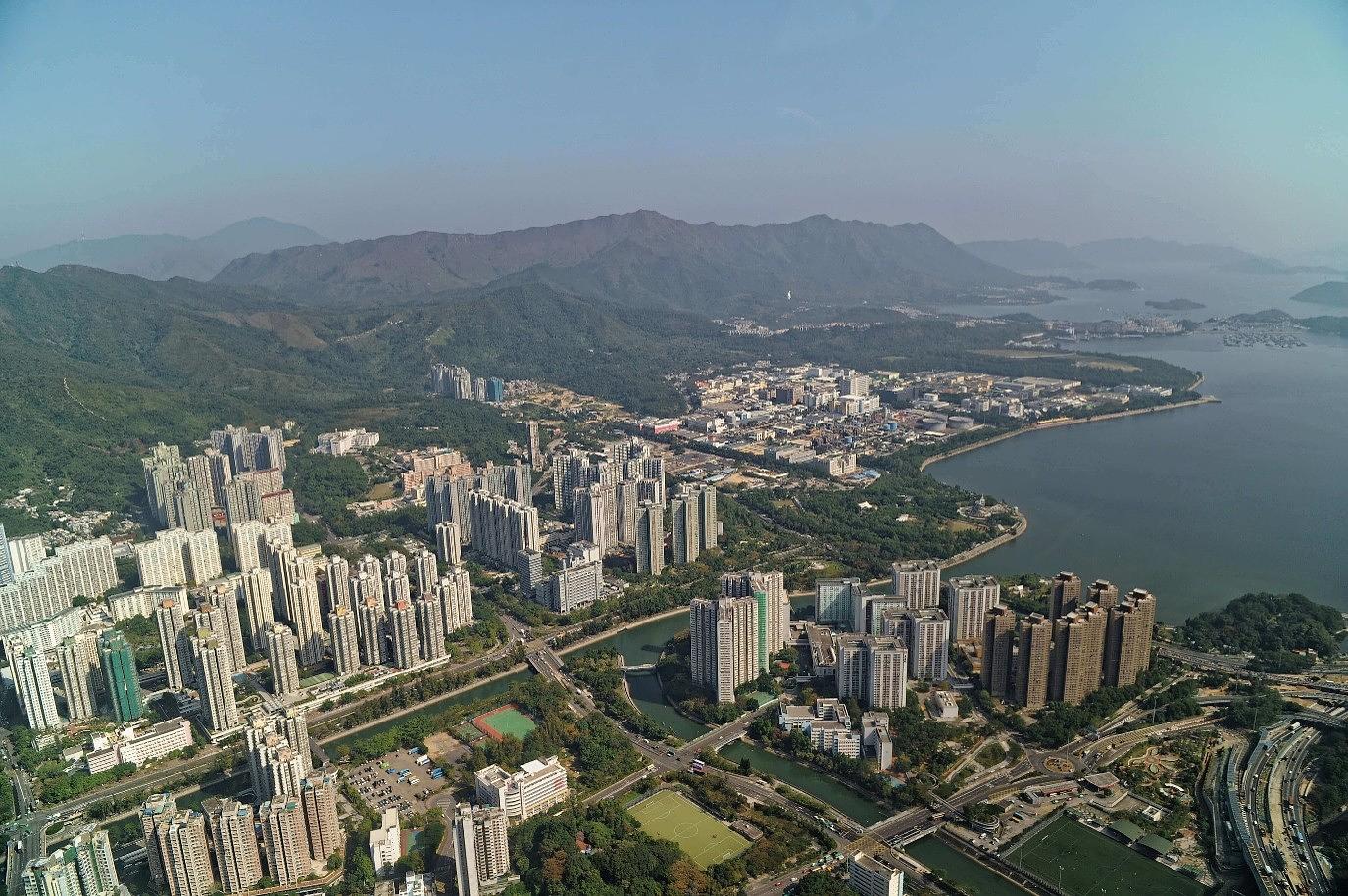
In the 1970s, Tai Po became one of Hong Kong’s designated “new towns,” bringing high‑rise residential estates, shopping centres, and improved transport links. Yet unlike other planned districts, Tai Po retained much of its traditional village character.
Today, it offers a rare blend of:
- Indigenous Hakka villages
- Waterfront promenades along Tolo Harbour
- Modern malls and supermarkets
- Easy access to hiking trails and cycling paths
This unique mix is increasingly appealing to expats seeking more than just convenience.
Tai Po Expat Life: Integration Over Isolation
Unlike Discovery Bay or Mid‑Levels, Tai Po was never designed as an expat bubble. That distinction shapes the social atmosphere.
Expats in Tai Po typically include:
- Families seeking larger homes
- Professionals working in Science Park
- Academics connected to CUHK (Chinese University of Hong Kong)
- Long‑term Hong Kong residents
As the expat population is smaller and more dispersed, locals and newcomers blend naturally in everyday life — at wet markets, school gates, waterfront parks, and neighbourhood cafés.
There are fewer gated communities and less social segregation. For many, this creates a more grounded version of expat living in Hong Kong.
Language & Dialects in Tai Po
Cantonese is the dominant language in Tai Po, reflecting broader Hong Kong culture.
However:
- Many elderly residents also speak Hakka, due to historic village settlements.
- Mandarin (Putonghua) is increasingly common.
- English is widely understood in commercial settings, schools, hospitals, and public services.
For English‑speaking expats, daily life is manageable. However, Tai Po offers more opportunity to practise Cantonese compared to heavily internationalised districts.
For families prioritising cultural immersion, this can be a significant advantage.
Schools in Tai Po and Nearby Areas

Within reach are:
- Local primary and secondary schools
- ESF schools accessible via MTR
- International schools in Sha Tin and Kowloon Tong
- The prestigious Chinese University of Hong Kong (CUHK)
Compared to Hong Kong Island property prices, New Territories housing can allow families to afford larger homes while remaining within commuting distance of international education options.
Transport & Connectivity: East Rail Line Advantage

- Kowloon Tong
- Hung Hom
- Admiralty (via the cross‑harbour extension)
Commute time to Central typically ranges from 35–45 minutes.
There are also buses that run directly from Tai Po to Central. No 307 runs every 30 minutes taking about 35 – 40 minutes depending on traffic conditions.
Taxi fare from Tai Po to Central is approximately HK$280 + again depending on traffic conditions.
For professionals working in Kowloon, Sha Tin, or Science Park, Tai Po can actually offer shorter commutes than some island districts.
While nightlife access is less immediate than from Mid‑Levels, the trade‑off is quieter residential living.
Facilities & Amenities in Tai Po

Tai Po provides strong infrastructure without central Hong Kong density:
- Tai Po Mega Mall
- Traditional wet markets
- Public sports centres and swimming pools
- Waterfront promenade along Tolo Harbour
- Alice Ho Miu Ling Nethersole Hospital
- Direct access to hiking routes and cycling networks
For families seeking family living in Hong Kong, Tai Po offers everyday practicality with significantly more green space.
Traditions Still Maintained

- Tin Hau Temple worship tied to fishing heritage
- Lunar New Year lion dances in village areas
- Ching Ming Festival tomb sweeping rituals
- Ancestral halls maintained by Hakka clans
Village houses often display festival banners, incense offerings, and clan flags during major holidays.
This preservation of local customs adds cultural depth often missing from newer developments.
Gentrification & Modernisation
Like many districts in Hong Kong, Tai Po has experienced gradual urban renewal and gentrification:
- Waterfront improvements
- Expansion of retail complexes
- Growth linked to Hong Kong Science Park
- Enhanced rail connectivity
However, Tai Po has avoided the hyper‑luxury transformation seen in West Kowloon or Kai Tak. Wet markets operate alongside chain coffee shops. Village homes stand beside high‑rise estates.
The evolution has been incremental rather than disruptive.
Advantages of Living in Tai Po

Larger apartments and village houses
Access to nature and harbour views
Relative affordability compared to Hong Kong Island
Authentic local culture
Strong transport links via East Rail Line
Family‑friendly environment
Access to nature and harbour views
Relative affordability compared to Hong Kong Island
Authentic local culture
Strong transport links via East Rail Line
Family‑friendly environment
Disadvantages to Consider
Longer commute to Central nightlife
Fewer Western specialty supermarkets
Fewer Western specialty supermarkets
How Tai Po Compares to Traditional Expat Areas
| Area | Typical Appeal | Tai Po Advantage | Mid‑Levels | Proximity to Central | More space, lower rent
| Discovery Bay | Family expat enclave | More authentic Hong Kong experience
| Sai Kung | Nature & village living | Better rail connectivity
| Kennedy Town | Trendy urban district | Quieter, more green space
Tai Po competes not on prestige — but on lifestyle quality.
Is Tai Po Right for You?
Tai Po may suit:
- Families seeking value in Hong Kong property
- Professionals working in Kowloon or Science Park
- Expats interested in deeper cultural integration
- Nature lovers wanting harbour and mountain access
Final Thoughts: A Different Side of Hong Kong Living

It combines the history of a New Territories market town with modern infrastructure and evolving residential development. For AsiaXpat readers searching for alternatives to traditional expat districts, living in Tai Po Hong Kong represents a quieter, more integrated version of expat life — one where locals and newcomers share space, schools, and everyday routines.
Less bubble.
More balance.
Still undeniably Hong Kong.
More balance.
Still undeniably Hong Kong.