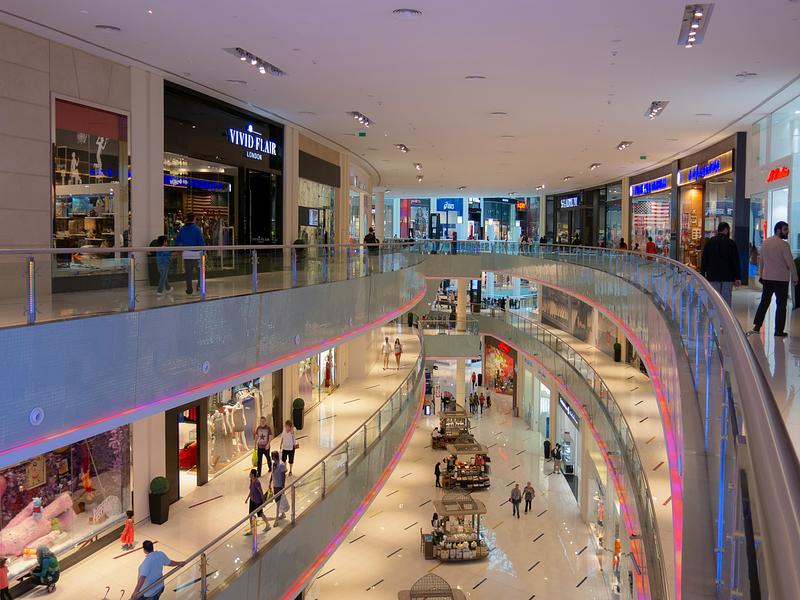

Some shopping trips are transactional. Others feel like strategic missions.
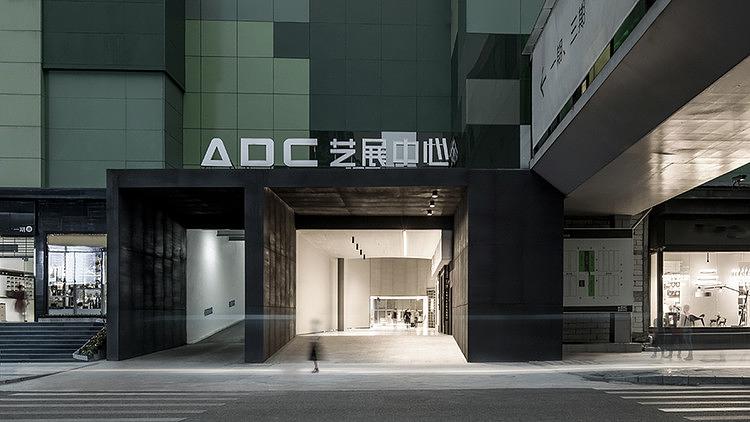
Our recent visit to Shenzhen’s Art Design Center (ADC) — also known as Yizhan Center — was firmly the latter: a cross-border design expedition blending logistics, negotiation, caffeine breaks, and serious interior ambition.
Located at Liyuan Road, Sungang, Luohu District, Shenzhen, ADC spans an astonishing 150,000 square meters and counting, widely recognized as one of China’s largest platforms for home furnishings and creative lifestyle brands.
We weren’t just going furniture shopping.
We were entering one of China’s largest home furnishing ecosystems.
We were entering one of China’s largest home furnishing ecosystems.
And yes — we crossed a border for a couch.
Crossing the Line — Literally
We hired a cross-border car for five passengers and a driver for the day — roughly HKD 2,500 for a return trip, depending on vehicle size and waiting time. Split between friends, it becomes surprisingly reasonable for a full-day sourcing mission.
The border process is smoother than many people expect.
First stop: Hong Kong immigration. Present your HKID or passport and clear through. Passengers stay in the vehicle.
Second stop: Mainland China immigration. This is where you usually step out of the car and enter the immigration hall while your driver takes the vehicle across separately.
Inside, you’ll:
- Fill in the arrival card (if required for your nationality)
- Scan fingerprints
- Present your passport (visa-free entry or valid visa)
- Receive your entry stamp
If you’re applying for the 5-day Shenzhen visa on arrival, there’s an additional application form and fee at the visa desk before joining the passport queue.
On a typical weekday, allow 15–30 minutes total if visa-free. Slightly longer if applying for the port visa.
Efficient. Slightly procedural. Entirely part of the experience.
Once across, it’s about a 10–15 minute drive to Luohu — a short climb that feels symbolic. You’re not just going furniture shopping, you’re entering a bazaar of tradesmen and artisans.
While metro access is available via Hongling North Station (Line 7 or Line 9), for a mission like this, the private car made for a smoother, more time-efficient journey — especially since we were navigating purchases across borders.
The Scale of It

ADC spans approximately 200,000 square meters.
This is not a mall in the conventional sense.
It is design infrastructure.
It is design infrastructure.
The center operates as a procurement and exhibition hub for:
- International and domestic furniture brands
- Designer showrooms
- Home décor and lifestyle specialists
- Industry professionals and interior designers
You quickly realise this is where serious buyers assess and arrange custom orders, though window-shopping the “unaffordables” was still a worthwhile experience.
Rather than serving casual shoppers, ADC functions as a destination for sourcing, collaboration, and negotiation where commerce meets creativity at an impressive industrial scale.
Three Phases, Three Personalities
The centre unfolds in three phases.

Phase 1 leans into aesthetics — decorative objects, statement lighting, artistic displays. It feels curated, almost gallery-like. Ideal for inspiration hunting.
Phase 2 is where practicality comes into play. Sofas, dining tables, bedroom systems — serious pieces for serious buyers. Less spectacle, more substance.

The quality genuinely impressed us. Solid internal frames. Clean stitching. High-density foam. Fabric and leather options that can be customised to your exact specifications. Many suppliers produce for high-end developments — and it shows.
Phase 3 (?) We didn’t manage to fully explore it this time — proof that one visit isn’t enough. Watch this space as we’ll be sure to take a closer look on the next adventure!
When you operate inside 200,000 square meters of curated design, you don’t impulse buy.
You assess.
Where Design Meets Discipline
After walking floors, testing cushions, inspecting stitching, and discussing dimensions like seasoned critics, we found it: the perfect couch.
The listed price was firm — at least at first glance. After respectful, friendly negotiation, we flexed our bargaining muscles and secured around a 20% reduction.
But here’s where it gets interesting. In addition to the discount, we negotiated transportation to Hong Kong to be included in the final price — something that would have cost an additional USD 200 (roughly HKD 1,500+) if charged separately.
Negotiation here is never awkward; it is expected. It’s part of the ecosystem. In a procurement-driven centre like ADC, informed buyers are respected buyers.
Be engaged.
Ask about frame materials.
Discuss dimensions.
Ask about frame materials.
Discuss dimensions.
Once vendors see you’re serious, they quickly work with you to close the deal.
For the Xperience Squad, this wasn’t about shaving dollars.
It was about understanding value.
Coffee Break Strategy

At some point, decision fatigue sets in.
That’s when you should head to the third floor for coffee. Sit down, review your photos, check your apartment floor plan, and debate whether the L-shape is too ambitious for a Mid-Levels lift.
It turns the day from an overwhelming extravaganza to a strategic plan.
Shops typically close around 7 p.m., so pace yourself accordingly.
The Return
The drive back to Central took about one hour and twenty minutes door to door.
At the border, you reverse the process: exit the vehicle, make small talk with the Chinese officials as the computers register your departure, walk through Hong Kong immigration, reunite with your driver.
Long enough to decompress.
Long enough to reflect.
Long enough to reflect.
Was it worth crossing a border for a couch?
Yes — because ADC offers more than pricing. It offers volume, variety, customization, and direct engagement with suppliers. It offers leverage and in our case, a couch that fits our dream dimensions exactly.
The Xperience Squad crossed a border for a sofa — and came back with a beautifully customised, high-quality statement piece at a serious saving, including free cross-border delivery, and the satisfying sense that the Greater Bay Area design scene is very much in on a secret the rest of us are only now just discovering.
Given such success on our first real visit, we’d absolutely make the trek again.