Relocating within Asia is not just about headline salary. Tax efficiency, long‑term wealth planning, healthcare standards, safety, education, legal certainty, and social integration all materially affect quality of life.
At AsiaXpat, we compare the key differences between major hubs — Hong Kong, Singapore, Tokyo, Bangkok, Shanghai, and Ho Chi Minh City — to help our readers determine the best fit for them. Below is a practical overview covering income and inheritance tax exposure, accommodation costs, legal systems, healthcare quality, expat demographics, as well as other lifestyle considerations.
🇭🇰 Hong Kong

Best for: Financial, legal, and multinational professionals.
Income & Inheritance Tax
- Salary tax capped at 15% of net assessable income (or 17% standard rate, whichever is lower)
- Territorial tax system (generally only Hong Kong–sourced income is taxed)
- No VAT
- No capital gains tax
- No inheritance tax (estate duty abolished in 2006)
Hong Kong remains one of the most tax‑efficient developed jurisdictions in Asia.
Accommodation
- 1 bed central: HKD 18,000–30,000/month
- 3 bed family: HKD 35,000–70,000+
Legal System & Safety
Common law system with internationally recognised judiciary. Very low levels of violent crime.
Healthcare
High-quality public and private healthcare. Public hospitals are efficient and subsidised for residents; private hospitals are modern and widely used by expatriates. English-speaking medical professionals are common.
Education
Top-tier international schools (IB, A-Levels, AP).
Fees: HKD 150,000–250,000+ per year. Placements can be competitive.
Fees: HKD 150,000–250,000+ per year. Placements can be competitive.
Expat Community
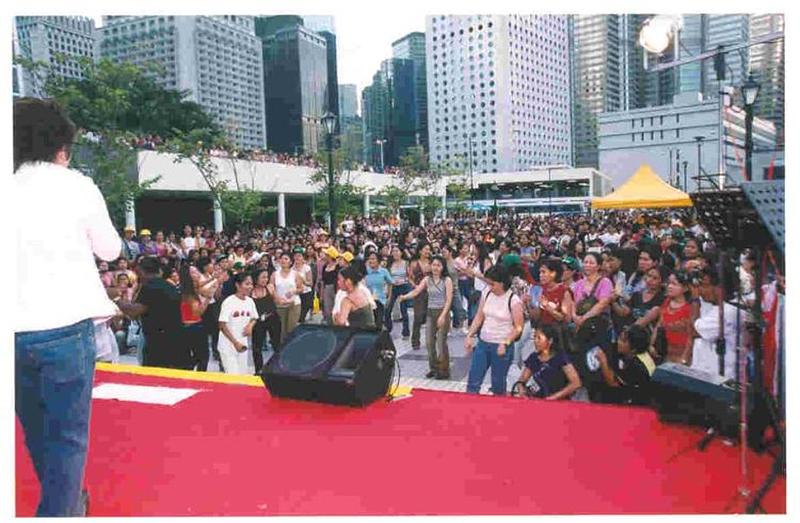
Hong Kong has a long-established expatriate base.
The largest expatriate groups typically comprise:
- British;
- American;
- Australian;
- French;
- Indian;
- Filipino;
- Indonesian; and
- An increasing number of Mainland Chinese professionals
Western professionals remain concentrated in financial, banking, and legal sectors.
Lifestyle & Attractions
Hiking trails, beaches, yacht culture, Art Basel, Michelin dining, Disneyland, and easy regional travel.
Pros: Low tax, strong legal framework, English widely used.
Cons: High housing costs, competitive pace of life.
Cons: High housing costs, competitive pace of life.
🇸🇬 Singapore

Best for: Families and regional HQ executives.
Income & Inheritance Tax
- Progressive income tax up to 24% (top marginal band applies to very high income levels)
- No capital gains tax (though trading gains may be treated as income)
- No inheritance/estate tax (abolished in 2008)
Singapore is generally regarded as one of Asia’s most tax-efficient and stable jurisdictions.
Accommodation
- 1 bed: SGD 3,500–5,000/month
- 3 bed condo: SGD 6,000–12,000
Legal System & Safety
Common law system. Extremely safe, politically stable and regulatory environment highly predictable.
Healthcare
World-class healthcare system with internationally accredited public and private hospitals. Frequently ranked among the best globally. Excellent medical infrastructure and strong insurance ecosystem.
Education
Highly regarded international schools.
Fees: SGD 30,000–50,000 annually.
Fees: SGD 30,000–50,000 annually.
Expat Community
One of Asia’s most diverse expatriate populations.
Largest foreign nationality groups include:
- Malaysian (largest foreign workforce group);
- Chinese nationals;
- Indian nationals;
- British;
- Australian;
- American; and
- Filipino
The expat scene is structured, professional, and family-oriented.
Lifestyle & Attractions
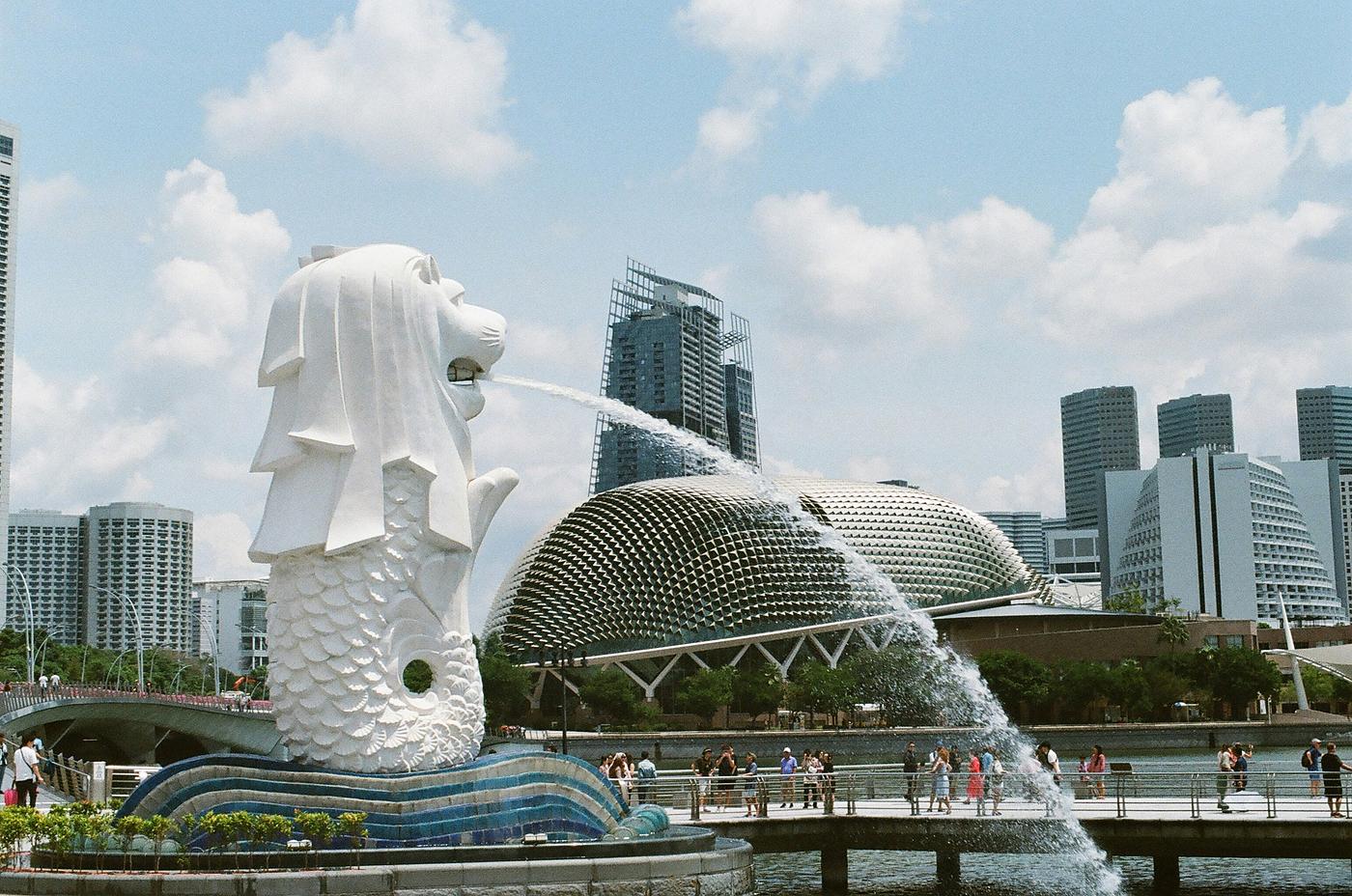
Sentosa Island, Gardens by the Bay, Marina Bay Sands, hawker culture, F1 Grand Prix — all connected via strong public transport systems.
Pros: Stability, safety, healthcare quality, no inheritance tax.
Cons: High car ownership costs, expensive housing.
Cons: High car ownership costs, expensive housing.
🇯🇵 Tokyo

Best for: Tech, engineering, and culturally immersive professionals.
Income & Inheritance Tax
- Income tax up to 45% plus local inhabitant tax (~10%)
- Inheritance tax up to 55%, depending on estate size
- Long-term residents may become exposed to worldwide estate taxation depending on residency classification
Japan has one of Asia’s highest inheritance tax regimes — particularly relevant for long-term residents and high-net-worth individuals.
Accommodation
- 1 bed: JPY 150,000–250,000/month
- 3 bed: JPY 300,000–600,000
Legal System & Safety
Civil law system. Exceptionally safe, low crime rates.
Healthcare
Universal healthcare system with high medical standards and excellent outcomes. Costs are moderate due to national insurance. Limited English support outside major hospitals, though foreign accessibility is improving in Tokyo.
Education
Strong public system (with curriculuum in Japanese). International schools available but competitive and relatively expensive.
Expat Community
Foreign population proportionally smaller than Hong Kong and Singapore but growing.
Largest foreign nationality groups include:
- Chinese (largest foreign community);
- Vietnamese;
- Korean;
- Filipino;
- Brazilian; and
- American (largest Western group)
Expat hubs: Roppongi, Hiroo, Azabu.
Lifestyle & Attractions
Cherry blossoms, temples, world-class cuisine, skiing, Mt Fuji, anime, and design culture.
Pros: Infrastructure, safety, cultural depth.
Cons: High inheritance tax exposure, language barrier.
Cons: High inheritance tax exposure, language barrier.
🇹🇭 Bangkok

Best for: Lifestyle-oriented professionals and entrepreneurs.
Income & Inheritance Tax
- Income tax up to 35%
- Inheritance tax generally 10% above high asset thresholds
Accommodation
- 1 bed luxury condo: THB 20,000–40,000
- 3 bed: THB 60,000–120,000
Legal System & Safety
Civil law system. Generally safe; traffic and petty crime are primary risks.
Healthcare
Thailand has a strong private healthcare sector. Bangkok’s leading private hospitals are internationally accredited and widely used by medical tourists. Public hospitals vary in quality.
Education
Wide range of international schools at lower fees than Hong Kong or Singapore.
Expat Community
One of Southeast Asia’s most vibrant expat environments.
Largest foreign nationality groups include:
- Chinese;
- Burmese (Myanmar nationals);
- Cambodian;
- Japanese (significant corporate presence);
- British;
- American; and
- Australian
The Japanese corporate community is particularly substantial.
Lifestyle & Attractions
Grand Palace, rooftop bars, island getaways, luxury spas, and a dynamic street food scene.
Pros: Affordable lifestyle, strong social landscape, quality private healthcare.
Cons: Traffic congestion, seasonal air pollution.
Cons: Traffic congestion, seasonal air pollution.
🇨🇳 Shanghai

Best for: Professionals targeting China’s domestic market.
Income & Inheritance Tax
- Income tax up to 45%
- No formal inheritance tax currently in force (policy discussions occur periodically)
- Global income exposure can arise depending on residency duration under China’s tax rules
Accommodation
- 1 bed: RMB 12,000–25,000
- 3 bed: RMB 30,000–60,000
Legal System & Safety
Civil law system with evolving regulatory framework. Generally safe urban environment.
Healthcare
High-quality private international hospitals available, though expensive. Public hospitals are advanced but may present language barriers and administrative complexity for foreigners.
Education
Well-established international school network.
Expat Community
Historically mainland China’s most international city.
Largest foreign nationality groups include:
- Japanese (largest foreign corporate group);
- Korean;
- American;
- German;
- French; and
- British
Strong European manufacturing and trade presence.
Lifestyle & Attractions
The Bund skyline, Yuyuan Gardens, high-speed rail network, luxury retail, and dynamic nightlife.
Pros: Commercial energy, gateway to China market.
Cons: Regulatory complexity, higher income tax.
Cons: Regulatory complexity, higher income tax.
🇻🇳 Ho Chi Minh City

Best for: Entrepreneurs and early-career expats.
Income & Inheritance Tax
- Income tax up to 35%
- No traditional inheritance tax, though transfers of certain assets may trigger personal income or registration taxes
- Residents (typically 183+ days) taxed on worldwide income
Accommodation
- 1 bed: USD 700–1,500/month
- 3 bed: USD 2,000–3,500
Legal System & Safety
Developing legal framework. Generally safe; traffic accidents are the primary risk.
Healthcare
Rapidly improving private healthcare sector with international-standard clinics. Serious or complex cases are sometimes treated in Singapore or Bangkok. Public system more limited.
Education
Growing international school sector with comparatively lower fees than Hong Kong or Singapore.
Expat Community
Young, entrepreneurial, and expanding.
Largest foreign nationality groups include:
- Korean (largest foreign investor community);
- Japanese;
- Chinese/Taiwanese;
- American;
- Australian; and
- European entrepreneurs
Strong SME and startup presence.
Lifestyle & Attractions
Café culture, vibrant street food, French colonial architecture, and nearby beaches.
Pros: Low cost of living, energetic, growing economy.
Cons: Infrastructure still developing, healthcare varies by provider.
Cons: Infrastructure still developing, healthcare varies by provider.
Final Thoughts for AsiaXpat Readers
- Generally most tax-efficient: Hong Kong & Singapore
- Highest inheritance tax exposure risk: Japan (particularly for long-term residents)
- Strongest lifestyle value relative to cost: Bangkok & Ho Chi Minh City
- Primary gateway to Mainland China: Shanghai
Each city presents a distinct balance of taxation, regulatory certainty, healthcare quality, education access, lifestyle, and community integration potential.
Those contemplating relocation should consider:
- Residency classification and visa pathways;
- Worldwide tax exposure and treaty implications;
- Estate planning consequences;
- Healthcare insurance requirements;
- School placement availability; as well as
- Long-term immigration prospects
Cross-border mobility can create unintended tax and succession exposure if not structured carefully.
Disclaimer
This article is for general information purposes only and does not constitute legal, tax, financial, medical, or relocation advice. Tax rules — including income and inheritance taxation — may change and depend heavily on residency status, domicile, and individual circumstances. Healthcare standards may vary between public and private providers. Readers considering relocation should seek independent professional advice tailored to their specific situations.
For more relocation insights and expat resources across Asia, visit AsiaXpat.