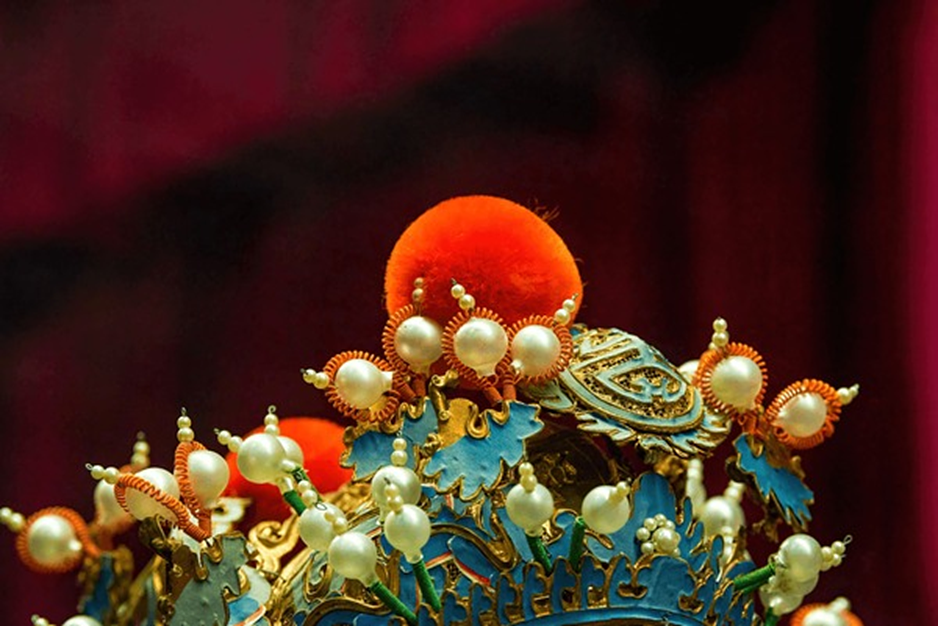
If you live in Hong Kong, you’ve probably heard of Sai Kung’s seafood, hiking trails, and sleepy bays. But every year, this coastal district transforms with the sound of gongs, the scent of incense, and the dazzling costumes of Cantonese opera performers. These aren’t just performances — they are living rituals that have been thanking the sea gods for centuries.
Here is a snippet of a main opera festival, its history and how to experience it like a local.
🏮 The Quick History (Why All the Opera?)
🏮 The Quick History (Why All the Opera?)
Sai Kung village was once a fishing community. Life at sea was dangerous, so villagers prayed to sea deities for protection. The most beloved is Tin Hau (Empress of Heaven), a deified young woman from 10th-century Fujian who was believed to predict storms and rescue sailors.
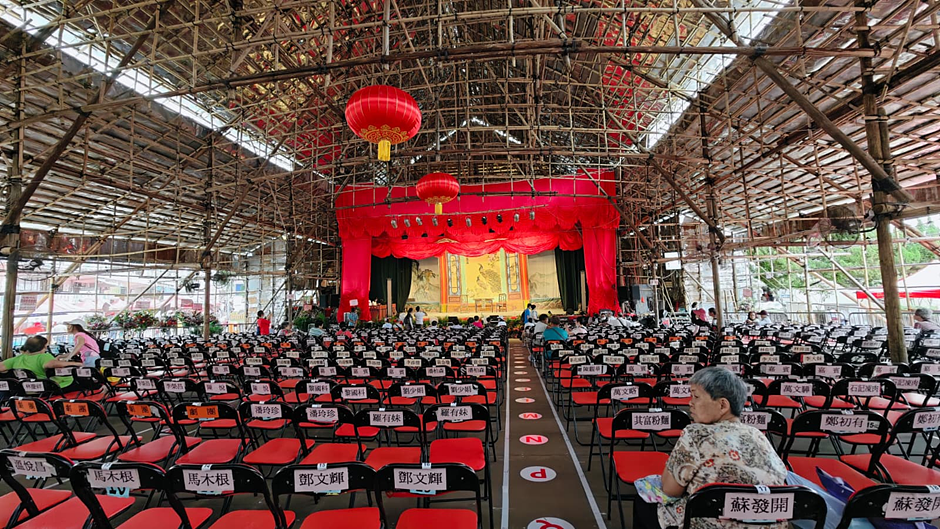
To thank the gods, communities stage Shengongxi (神功戏) — “merit opera for the gods.” These performances take place in temporary bamboo theatres, a craft now recognised as part of Hong Kong’s Intangible Cultural Heritage. The opera is both a prayer and a celebration: the gods symbolically occupy the front row, while the community fills the rest.
In 2021, the Tin Hau Festival was added to China’s national intangible cultural heritage list.
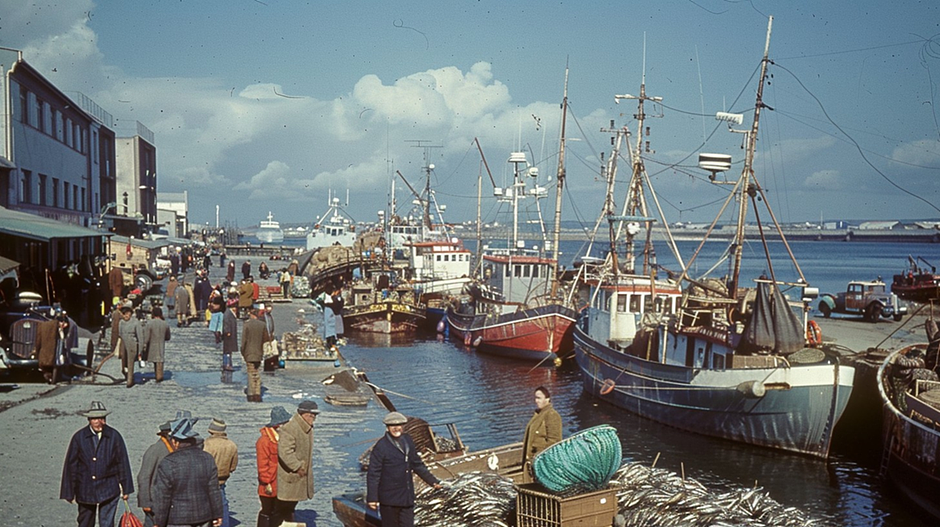
🌟 Why an Asiaxpat Reader Should Go
- 1. It’s a rare slice of “Old Hong Kong.”
Most expats see the shiny MTR stations, skyscrapers, and Soho bars. This festival is the opposite — a living tradition with virtually no tourist crowds. You’d be hard-pressed to find it in a typical guidebook. - 2. Free, authentic entertainment.
Cantonese opera tickets can cost HK$300 or more. Here, the front row is for the gods — and everyone else sits for free. Just bring a cushion. - 3. A legitimate photo opportunity.
Bamboo theatres, glittering costumes, incense smoke, fishermen burning paper iPhones for ancestors — it’s documentary gold. - 4. Family-friendly and easy to reach.
Sai Kung Town is about 30 minutes from Choi Hung MTR. Kids love the fair games, lion dances, and egg waffles. - 5. You become a “local” for a night.
Show up, smile, say “do je” (thank you), and notice how warmly you’re welcomed. It’s a genuine way to connect beyond the expat bubble.
🗓️ Sai Kung — Tin Hau Opera Festival (2026 Dates)
21–25 May 2026 (Tin Hau’s birthday: 24 May)
If you attend just one festival, make it this one. Sai Kung Town hosts the largest and most accessible Tin Hau celebration in the district, and it’s the easiest for newcomers to experience.
Each year, a 15-metre-high bamboo theatre is constructed beside the historic Tin Hau Temple, seating up to 1,000 people. The structure is built entirely using traditional bamboo scaffolding techniques — a disappearing craft that is itself part of Hong Kong’s intangible cultural heritage.
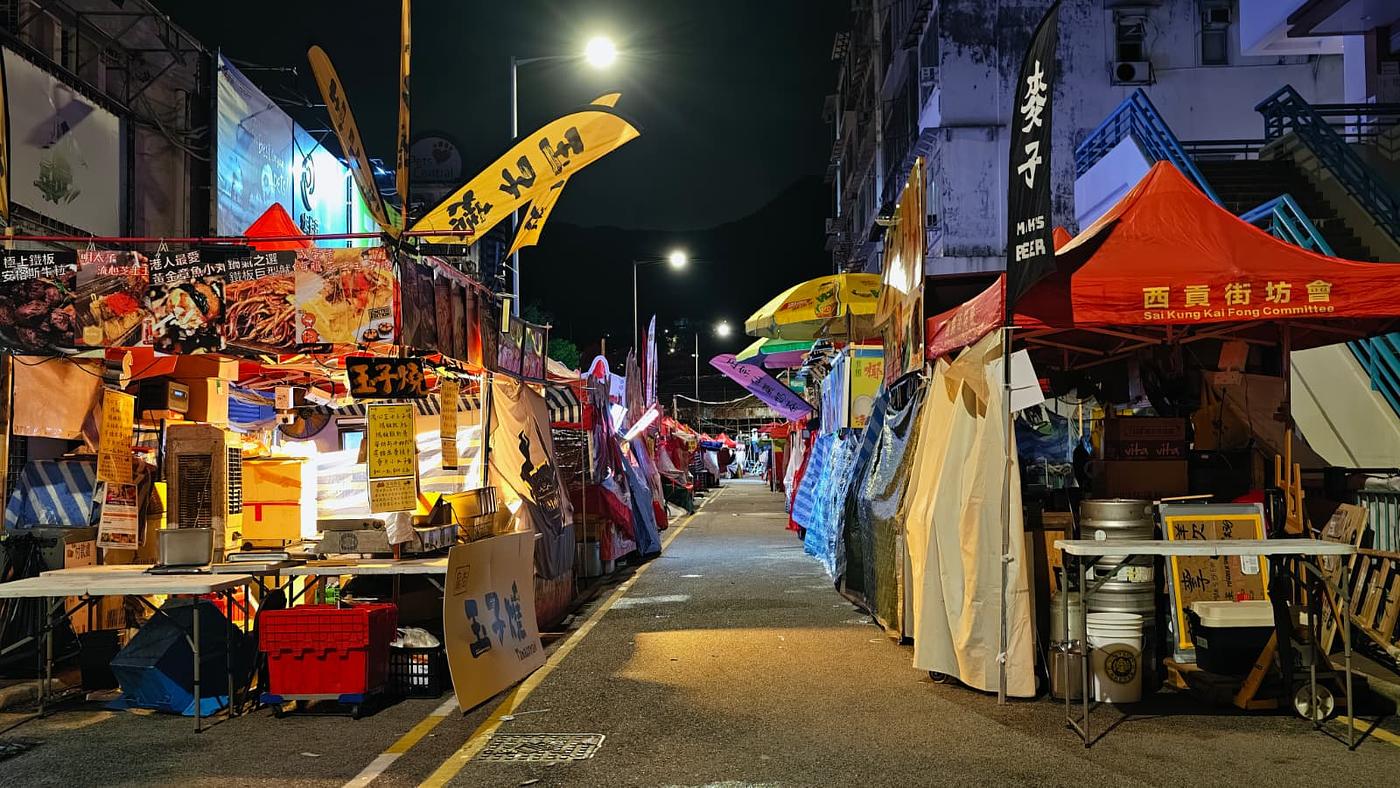
Over five days, the town comes alive with nightly Cantonese opera performances, temple rituals, and a bustling fair atmosphere.
You’ll find:
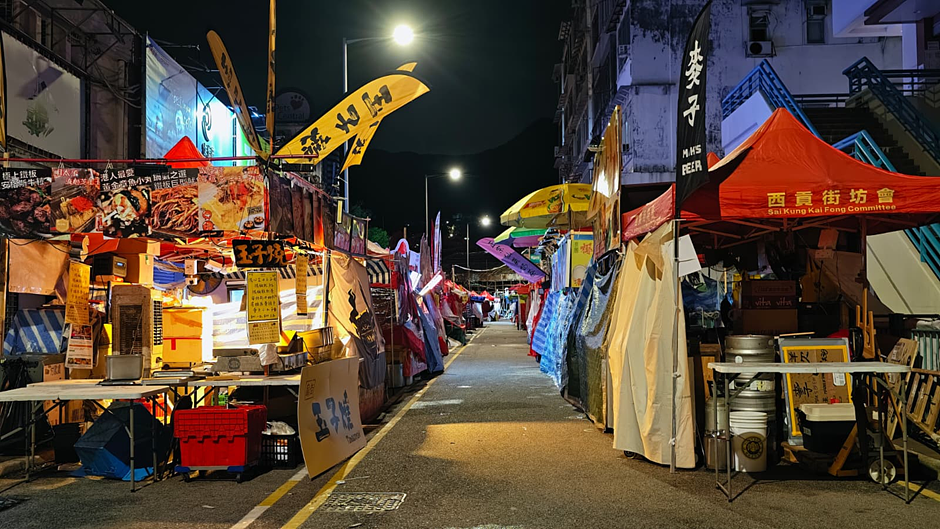
· A traditional temple fair with food and game stalls
· Dragon and lion dance performances
· Cantonese opera staged in a purpose-built bamboo theatre
· Ritual incense offerings and birthday ceremonies for Tin Hau
· Community-led celebrations organised by the local rural committee
· A traditional temple fair with food and game stalls
· Dragon and lion dance performances
· Cantonese opera staged in a purpose-built bamboo theatre
· Ritual incense offerings and birthday ceremonies for Tin Hau
· Community-led celebrations organised by the local rural committee
The most important day is 24 May, Tin Hau’s birthday. Expect larger crowds, longer opera performances, and a more electric atmosphere as villagers gather to pay their respects.
Expat tip: Arrive early in the evening (before 7pm) to secure a good seat. The first few rows are reserved for the gods — choose the middle rows or side aisles instead. Bring a cushion; the bamboo benches are firm.
🎭 What You’ll See on Stage
Cantonese opera differs greatly from Western opera. Expect:
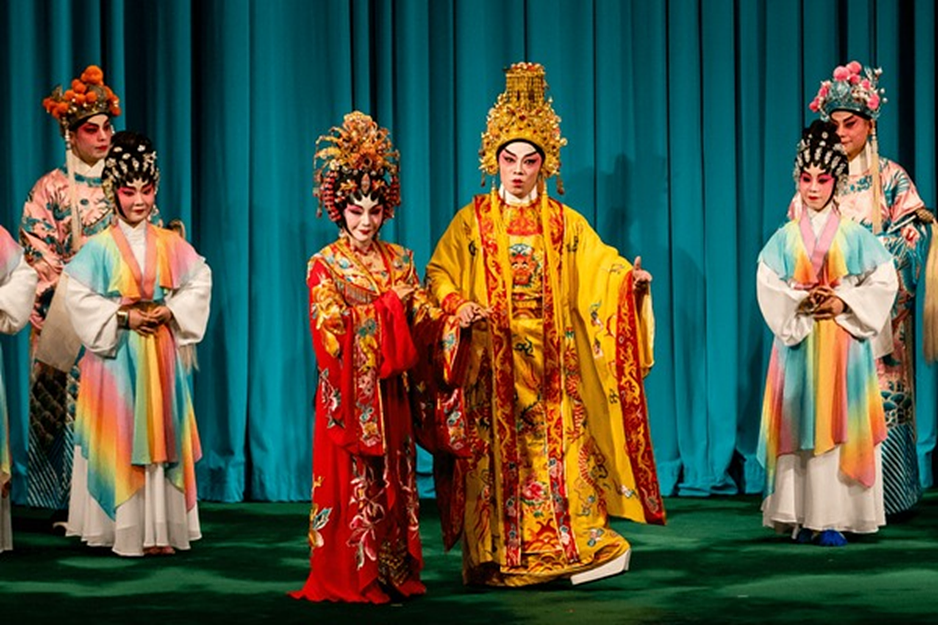
· Bold makeup and elaborate, often hand-embroidered costumes
· High-pitched falsetto singing accompanied by clashing cymbals
· Acrobatic fight scenes — heroes leap, flip, and duel with swords
· Dramatic stories of honour, loyalty, love, and triumph
· Bold makeup and elaborate, often hand-embroidered costumes
· High-pitched falsetto singing accompanied by clashing cymbals
· Acrobatic fight scenes — heroes leap, flip, and duel with swords
· Dramatic stories of honour, loyalty, love, and triumph
Even without understanding Cantonese, the action is visual and energetic. Some performances provide Chinese and English surtitles — ask at the entrance.
🧧 How to Attend (An Editor’s Tips)
Cost: All operas are free (funded by village committees or donations).
Seating: The first few rows are reserved for gods or spirits — do not sit there. The best spot for visitors is in the middle rows or along the side aisles.
Timing: Evening performances (7–10pm) are the main shows. Afternoon performances (1–4pm) are shorter.
What to bring: A cushion, water, earplugs (if you’re sensitive to loud gongs), and cash for the fair.
Language: Little English is spoken, but the gestures and atmosphere transcend language.
Transport: For Sai Kung Town, take buses 92 or 96R from Choi Hung MTR.
🌟 Why It Endures
This isn’t a tourist performance. It’s a genuine community rite that has been running for over a century. Grandmothers save seats, children run between stalls, and fishermen pray before the opera begins. It’s loud, chaotic, and wonderful — a slice of old Hong Kong that survives against the odds.
One last thing: if you see paper models of cars, iPhones, or clothes being burned, they are offerings for spirits in the afterlife. Don’t be alarmed — it’s all part of the tradition.
For more event information, make sure you keep an eye on Sai Kung’s rural committee notice boards, which usually post updates closer to the festival. If you attend, we’d love to see your photos in our community section.