"When I find myself in times of trouble, Mother Mary comes to me, speaking words of wisdom, let it be..." —— The Beatles
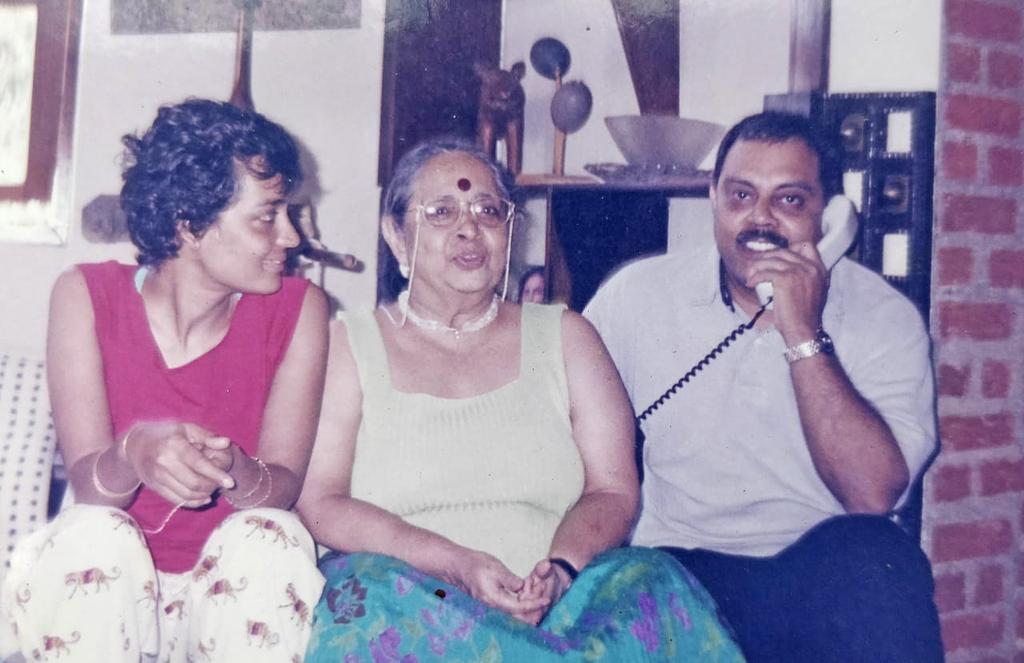
It is a mark of Arundhati Roy’s particular genius—and her bone-dry, often savage wit—that she would borrow a line from the most comforting lullaby in The Beatles' songbook to title a memoir that is, by any measure, a chronicle of catastrophe and survival. When Mother Mary came to young Arundhati, she was far less likely to offer "words of wisdom" than she was to hiss: "Get out of my house! Get out of my car!" . This disorienting gap between the sacred ideal of the Indian mother and the volatile, "abrasive presence" of Mary Roy is the storm at the centre of this unflinching and luminous memoir .
Roy's book is not merely a celebrity tell-all; it is a forensic deconstruction of power in the most intimate theater of war: the family. In a society that deifies motherhood—where women are expected to be self-abnegating vessels of sacrifice, the living embodiment of Bharat Mata—Roy performs a kind of blasphemy by presenting her mother not as a goddess, but as a human hurricane. Mary Roy was a visionary educator who single-handedly built an academic empire and took on the Travancore Christian Succession Act to secure inheritance rights for women. Yet in the closed walls of home, she was a despot whose love was indistinguishable from emotional abuse. Roy recounts the cruelty without flinching: a mother telling her teenage son he is "ugly and stupid" and that she would kill herself in his place.
The memoir is a masterclass in holding two truths at once. Roy acknowledges that she is the writer she is because of this abuse, not in spite of it. Mary’s volatility taught her to "live like a bird on a wire"—a lesson that inoculated her against the seductions of security, marriage, and the Indian state’s demand for conformity. This is where Roy pivots from the personal to the forensic examination of Indian society. She maps the generational trauma of patriarchy: the grandfather who crushed musical ambition under domestic expectation; the Syrian Christian community that would disinherit a daughter; the nation-state that, like Mary Roy, loves its women best when they are silent or suffering. Roy posits that the family is the first state, and the arbitrary, unaccountable authority of a parent is the primal training ground for accepting the arbitrary, unaccountable authority of the government.
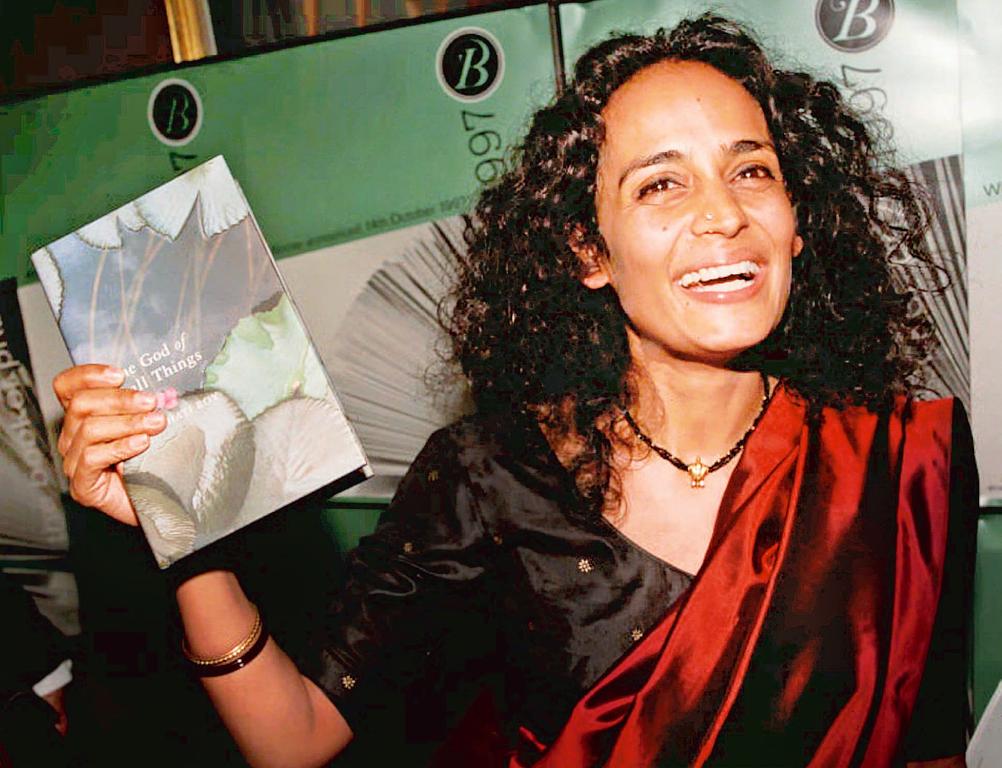
Unlike the dense, verdant thicket of The God of Small Things or the polemical fire of her essays, this prose is "unexpectedly funny" and "sturdy and polished". Roy deploys humor as a survival mechanism, a way to navigate the "catastrophic heartbreak" without an ounce of self-pity. She understands that Mary Roy is a character too large for hagiography, a woman who gave "help and harm in equal measure". In the end, this book is not a daughter's betrayal, as her critics might claim. It is a gift of clarity. It is Roy, at last, speaking back to the storm with the only wisdom she has ever trusted: the truth, rendered in prose that hums like a Beatles tune, even as the words sting like a slap.
"When I find myself in times of trouble, Mother Mary comes to me, speaking words of wisdom, let it be..." —— The Beatles
It is a mark of Arundhati Roy’s particular genius—and her bone-dry, often savage wit—that she would borrow a line from the most comforting lullaby in The Beatles' songbook to title a memoir that is, by any measure, a chronicle of catastrophe and survival. When Mother Mary came to young Arundhati, she was far less likely to offer "words of wisdom" than she was to hiss: "Get out of my house! Get out of my car!" . This disorienting gap between the sacred ideal of the Indian mother and the volatile, "abrasive presence" of Mary Roy is the storm at the centre of this unflinching and luminous memoir .
Roy's book is not merely a celebrity tell-all; it is a forensic deconstruction of power in the most intimate theater of war: the family. In a society that deifies motherhood—where women are expected to be self-abnegating vessels of sacrifice, the living embodiment of Bharat Mata—Roy performs a kind of blasphemy by presenting her mother not as a goddess, but as a human hurricane. Mary Roy was a visionary educator who single-handedly built an academic empire and took on the Travancore Christian Succession Act to secure inheritance rights for women. Yet in the closed walls of home, she was a despot whose love was indistinguishable from emotional abuse. Roy recounts the cruelty without flinching: a mother telling her teenage son he is "ugly and stupid" and that she would kill herself in his place.
The memoir is a masterclass in holding two truths at once. Roy acknowledges that she is the writer she is because of this abuse, not in spite of it. Mary’s volatility taught her to "live like a bird on a wire"—a lesson that inoculated her against the seductions of security, marriage, and the Indian state’s demand for conformity. This is where Roy pivots from the personal to the forensic examination of Indian society. She maps the generational trauma of patriarchy: the grandfather who crushed musical ambition under domestic expectation; the Syrian Christian community that would disinherit a daughter; the nation-state that, like Mary Roy, loves its women best when they are silent or suffering. Roy posits that the family is the first state, and the arbitrary, unaccountable authority of a parent is the primal training ground for accepting the arbitrary, unaccountable authority of the government.
Unlike the dense, verdant thicket of The God of Small Things or the polemical fire of her essays, this prose is "unexpectedly funny" and "sturdy and polished". Roy deploys humor as a survival mechanism, a way to navigate the "catastrophic heartbreak" without an ounce of self-pity. She understands that Mary Roy is a character too large for hagiography, a woman who gave "help and harm in equal measure". In the end, this book is not a daughter's betrayal, as her critics might claim. It is a gift of clarity. It is Roy, at last, speaking back to the storm with the only wisdom she has ever trusted: the truth, rendered in prose that hums like a Beatles tune, even as the words sting like a slap.