Hong Kong's stamp duty regime for property acquisition has seen major simplification since 2024, shifting from heavy cooling measures to a more buyer-friendly system.
Key Reforms Since 2024
In February 2024, the government scrapped Special Stamp Duty (SSD) and Buyer's Stamp Duty (BSD) entirely. These had previously penalized short-term resales and non-permanent residents with extra levies of up to 15–30%.
Now, all buyers— locals, foreigners, or companies — pay the same Ad Valorem Stamp Duty (AVD) under progressive Scale 2 rates for residential properties.
This unified approach dramatically reduced upfront costs, especially for non-HKPRs and investors, helping revive transaction volumes after years of market stagnation.

Budget 2025–26: Relief for Lower-Value Purchases
The 2025–26 Budget raised the threshold for the nominal HK$100 stamp duty from HK$3 million to HK$4 million.
This adjustment benefits lower-value purchases — roughly 15% of transactions — and is estimated to reduce government revenue by about HK$400 million annually.
Budget 2026–27: New Ultra-Luxury Tier
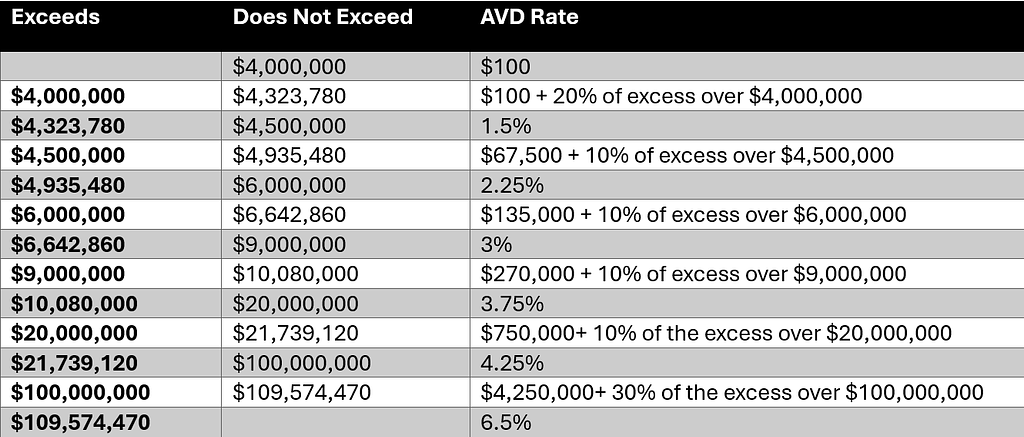
The 2026–27 Budget introduced a targeted adjustment effective 26 February 2026. Residential properties valued over HK$100 million now face a new top AVD rate of 6.5% (up from 4.25%).
This measure affects only about 0.3% of transactions but is expected to generate around HK$1 billion in additional annual revenue. Lower bands remain unchanged.
Current Progressive AVD Structure

Applicable to residential properties from 28 February 2024, with the ultra-luxury tier effective from 26 February 2026:
Non-residential properties follow similar or slightly adjusted scales, with no major rate increases.
Additional Improvements
- Expanded intra-group transfer relief: The ownership threshold for associated companies was reduced from 90% to 75%, easing corporate restructurings.
- Stamp duty waivers for REITs: Certain REIT acquisitions of non-residential property now qualify for waivers.
- Purchaser liability: Stamp duty continues to be paid by the purchaser.
Policy Direction
These reforms mark a clear policy pivot — from cooling measures to market support. The focus has shifted toward affordability at the entry level, while ultra-luxury transactions contribute modestly more to public revenue.
For most buyers, acquiring property in Hong Kong is now simpler and more affordable than at any point in the past decade.

Note: Always refer to the latest Inland Revenue Department (IRD) tables for marginal relief details and effective dates, and seek independent legal advice before any property purchase.